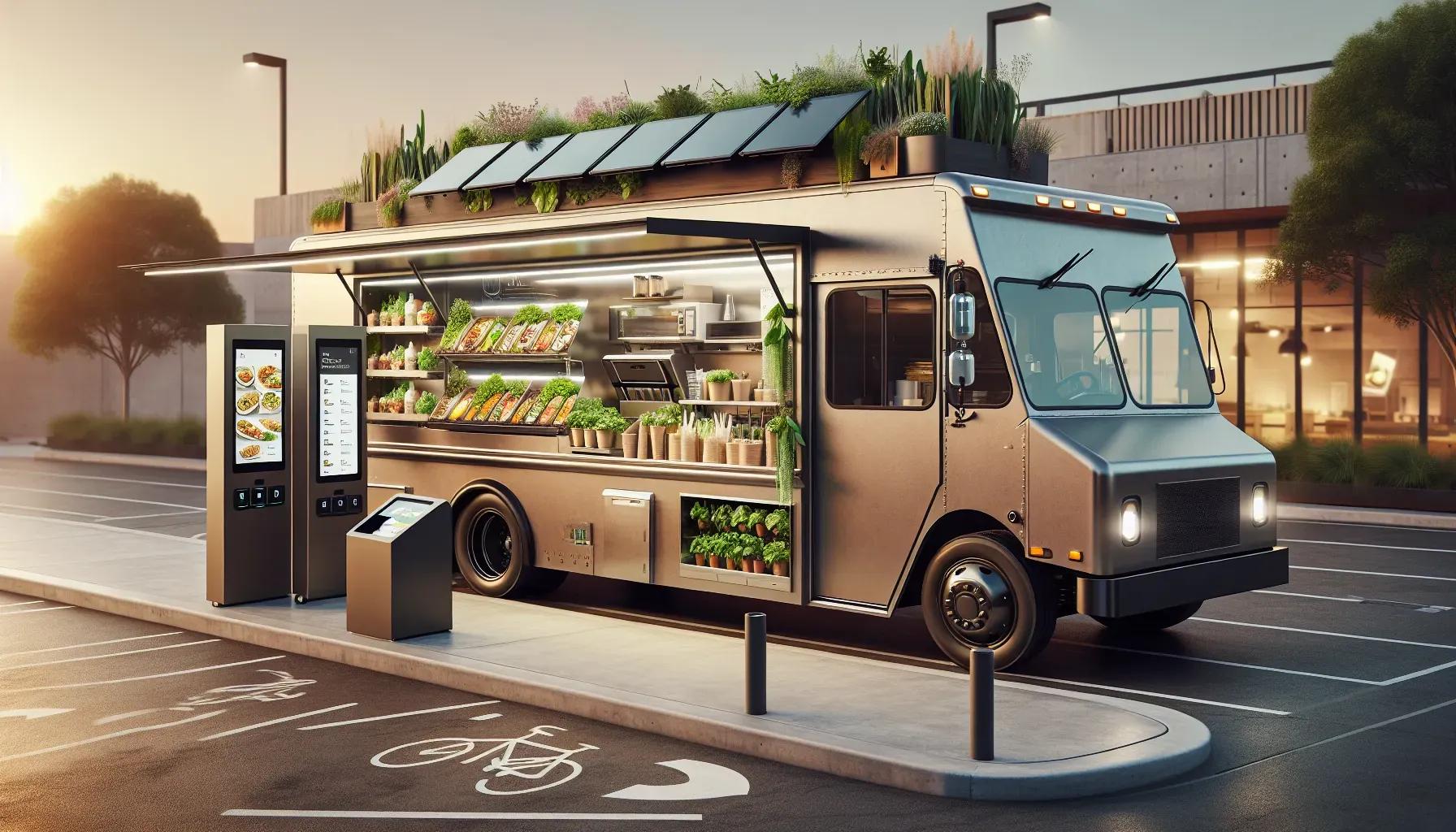

7 Ways to Adapt Food Truck Models to Changing Consumer Preferences
Discover the future of food truck businesses through a comprehensive exploration of the latest consumer trends. This article unveils pivotal strategies, backed by industry experts, to adapt and thrive in a dynamic market. Gain exclusive insights into digital innovation, health-conscious offerings, and customer-centric services that are reshaping the street food landscape.
- Embrace Digital Accessibility and Product Innovation
- Shift to Local, Healthy, and Plant-Based Options
- Implement Mobile Ordering for Faster Service
- Offer Customizable Meals for Dietary Needs
- Create Trending Cuisine-Inspired Themed Menus
- Partner with Local Events to Expand Reach
- Adopt Sustainable Packaging to Attract Eco-Consumers
Embrace Digital Accessibility and Product Innovation
As a Marketing Director, adapting a business model to evolving consumer preferences requires a balance of innovation, efficiency, and brand authenticity. One major shift has been enhancing digital accessibility. With consumers expecting convenience, we streamlined our online presence, optimizing mobile-first interactions and integrating pre-ordering options. This not only improved user experience but also increased conversion rates.
Product offerings were another area of change. Consumers today prioritize quality, personalization, and ethical sourcing. We refined our offerings to align with these expectations, introducing customizable options and transparent sourcing practices. For example, recognizing the rising demand for healthier snacks, we introduced healthy and fresh fruits as a core part of our product line. This simple yet effective addition appealed to health-conscious buyers and reinforced our commitment to well-being.
Operational efficiency also played a key role. Data-driven decision-making allowed us to adjust pricing strategies, optimize distribution channels, and refine customer service approaches. Social media engagement became a focal point, enabling real-time feedback and trend analysis, ensuring we stayed ahead of shifting demands.
To successfully adapt, businesses must embrace agility, actively listen to customers, and test strategic changes before full-scale implementation. Staying relevant isn't just about following trends—it's about evolving while maintaining brand integrity.